
Endocrine System MCQs PDF
Download these 50 practice MCQs to test your understanding of the endocrine system and prepare for your exams
https://youreducationprints.com/wp-content/uploads/2026/05/endocrine_mcqs.pdf
Free Download: Endocrine System MCQs PDF
A helpful set of 50 MCQs for students preparing for biology exams. Easy to revise, easy to practice.
https://youreducationprints.com/wp-content/uploads/2026/05/Endocrine_System_MCQs_No_Answers-1.pdf
Introduction:
The endocrine system is an important part of the human body that controls many vital functions through hormones. These hormones act as chemical messengers and help regulate growth, metabolism, reproduction, and overall body activities.
When hormone levels are balanced, the body works properly. However, any imbalance can lead to different health problems and behavioral changes. Therefore, understanding the endocrine system is essential for students of psychology and medical sciences.
In this post, you will find 50 important MCQs with answers based on the endocrine system, including glands, hormones, and related disorders. These questions will help you prepare for exams and improve your understanding of human biology in a simple and effective way.
Endocrine System: MCQs with Answers for Psychology and Medical Student
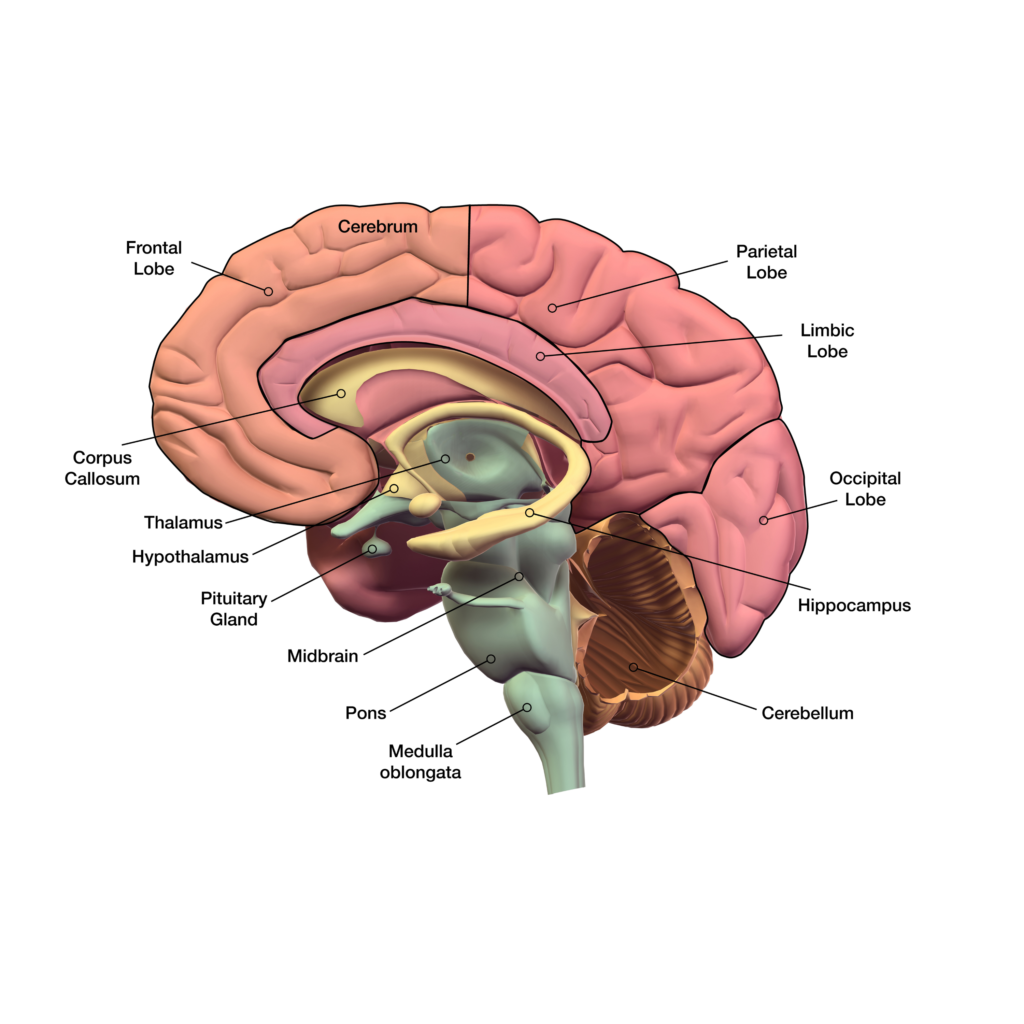
Endocrine System MCQs (with Answers)
- Endocrine glands are called:
a) Digestive glands
b) Managers of human body
c) Reproductive glands
d) Blood glands
Answer: b) Managers of human body
- Endocrine glands release hormones directly into the:
a) Bones
b) Skin
c) Bloodstream
d) Stomach
Answer: c) Bloodstream
- Hormones act as:
a) Nutrients
b) Chemical messengers
c) Enzymes
d) Vitamins
Answer: b) Chemical messengers
- Pineal gland is located in the:
a) Neck
b) Brain stem
c) Kidney
d) Pancreas
Answer: b) Brain stem
- Pineal gland helps regulate:
a) Blood sugar
b) Biological cycles
c) Digestion
d) Blood pressure
Answer: b) Biological cycles
- The pituitary gland is also called:
a) Master gland
b) Sleep gland
c) Digestive gland
d) Thyroid gland
Answer: a) Master gland
- Pituitary gland is connected to the:
a) Pancreas
b) Thyroid
c) Hypothalamus
d) Kidney
Answer: c) Hypothalamus
- Growth hormone is secreted by:
a) Thyroid gland
b) Anterior pituitary
c) Posterior pituitary
d) Adrenal gland
Answer: b) Anterior pituitary
- Deficiency of growth hormone in childhood causes:
a) Gigantism
b) Dwarfism
c) Diabetes
d) Goiter
Answer: b) Dwarfism
- Excess growth hormone causes:
a) Dwarfism
b) Goiter
c) Gigantism
d) Diabetes
Answer: c) Gigantism
- TSH stimulates the:
a) Adrenal gland
b) Thyroid gland
c) Pancreas
d) Ovaries
Answer: b) Thyroid gland
- ACTH stimulates the:
a) Pancreas
b) Adrenal cortex
c) Pineal gland
d) Testes
Answer: b) Adrenal cortex
- Prolactin helps in:
a) Growth
b) Milk production
c) Sleep
d) Digestion
Answer: b) Milk production
- ADH helps:
a) Increase urine loss
b) Conserve water
c) Raise calcium
d) Lower sugar
Answer: b) Conserve water
- Oxytocin helps in:
a) Digestion
b) Uterine contraction
c) Growth
d) Sleep
Answer: b) Uterine contraction
- Hypothalamus controls:
a) Hormonal system
b) Only digestion
c) Only vision
d) Only hearing
Answer: a) Hormonal system
- Thyroid gland is located in the:
a) Brain
b) Neck
c) Kidney
d) Chest
Answer: b) Neck
- Thyroid hormones require:
a) Calcium
b) Iodine
c) Iron
d) Potassium
Answer: b) Iodine
- Thyroid enlargement is called:
a) Diabetes
b) Goiter
c) Dwarfism
d) Acromegaly
Answer: b) Goiter
- Calcitonin lowers:
a) Blood sugar
b) Blood calcium
c) Blood pressure
d) Body temperature
Answer: b) Blood calcium
- Parathyroid hormone increases:
a) Blood sugar
b) Blood calcium
c) Water loss
d) Sleep
Answer: b) Blood calcium
- Pancreas secretes:
a) Insulin and glucagon
b) Thyroxine
c) Testosterone
d) Oxytocin
Answer: a) Insulin and glucagon
- Alpha cells secrete:
a) Insulin
b) Glucagon
c) Cortisol
d) Estrogen
Answer: b) Glucagon
- Beta cells secrete:
a) Insulin
b) Glucagon
c) Testosterone
d) ADH
Answer: a) Insulin
- Insulin lowers:
a) Blood pressure
b) Blood sugar
c) Calcium
d) Heart rate
Answer: b) Blood sugar
- Adrenal glands are located:
a) Above kidneys
b) Below lungs
c) In brain
d) In stomach
Answer: a) Above kidneys
- Outer part of adrenal gland is:
a) Medulla
b) Cortex
c) Pituitary
d) Pineal
Answer: b) Cortex
- Aldosterone helps conserve:
a) Calcium
b) Sodium and water
c) Iron
d) Oxygen
Answer: b) Sodium and water
- Cortisol increases:
a) Blood sugar
b) Blood calcium
c) Sleep
d) Digestion
Answer: a) Blood sugar
- Adrenaline is secreted by:
a) Adrenal medulla
b) Pancreas
c) Thyroid
d) Pituitary
Answer: a) Adrenal medulla
- Adrenaline prepares body for:
a) Sleep
b) Fight or flight
c) Digestion
d) Growth
Answer: b) Fight or flight
- Male sex hormone is:
a) Estrogen
b) Testosterone
c) Progesterone
d) Insulin
Answer: b) Testosterone
- Testosterone is secreted by:
a) Ovaries
b) Testes
c) Thyroid
d) Pituitary
Answer: b) Testes
- Female hormones include:
a) Estrogen and progesterone
b) Insulin and glucagon
c) ADH and oxytocin
d) Cortisol and adrenaline
Answer: a) Estrogen and progesterone
- Progesterone prepares:
a) Heart
b) Uterus for pregnancy
c) Brain
d) Bones
Answer: b) Uterus for pregnancy
- Thymosin is secreted by:
a) Thymus
b) Pancreas
c) Thyroid
d) Kidney
Answer: a) Thymus
- Gastrin helps in:
a) Digestion
b) Sleep
c) Reproduction
d) Hearing
Answer: a) Digestion
- Placenta secretes:
a) Chorionic gonadotropin
b) Testosterone
c) Insulin
d) Calcitonin
Answer: a) Chorionic gonadotropin
- Lack of thyroid hormone in childhood causes:
a) Cretinism
b) Diabetes
c) Gigantism
d) Cushing syndrome
Answer: a) Cretinism
- Overactive thyroid causes:
a) Hypothyroidism
b) Hyperthyroidism
c) Diabetes
d) Myxoedema
Answer: b) Hyperthyroidism
- Graves’ disease causes:
a) Hypothyroidism
b) Hyperthyroidism
c) Diabetes
d) Dwarfism
Answer: b) Hyperthyroidism
- Hashimoto thyroiditis causes:
a) Hyperthyroidism
b) Hypothyroidism
c) Gigantism
d) Diabetes
Answer: b) Hypothyroidism
- Myxoedema occurs due to:
a) Excess thyroid hormone
b) Thyroid deficiency
c) Excess insulin
d) Lack of ADH
Answer: b) Thyroid deficiency
- Acromegaly is related to:
a) Thyroid gland
b) Pituitary gland
c) Pancreas
d) Heart
Answer: b) Pituitary gland
- Adrenal insufficiency means:
a) Too much insulin
b) Low adrenal hormones
c) High thyroid hormone
d) High calcium
Answer: b) Low adrenal hormones
- Cushing syndrome is caused by excess:
a) Cortisol
b) Insulin
c) ADH
d) Estrogen
Answer: a) Cortisol
- Type 1 diabetes occurs when:
a) Too much insulin is produced
b) Pancreas fails to produce enough insulin
c) Thyroid enlarges
d) Calcium is low
Answer: b) Pancreas fails to produce enough insulin
- Common treatment for Type 1 diabetes:
a) Surgery
b) Insulin injections
c) Radiation
d) Antibiotics
Answer: b) Insulin injections
- Type 2 diabetes is often associated with:
a) Obesity
b) Underweight
c) Blindness only
d) Goiter
Answer: a) Obesity
- Hormones are transported through the:
a) Bones
b) Bloodstream
c) Muscles
d) Skin
Answer: b) Bloodstream
References
The following sources were used for general understanding of endocrine system concepts:
